Inside Our Irrigation Clubs
How Irrigation Clubs Begin
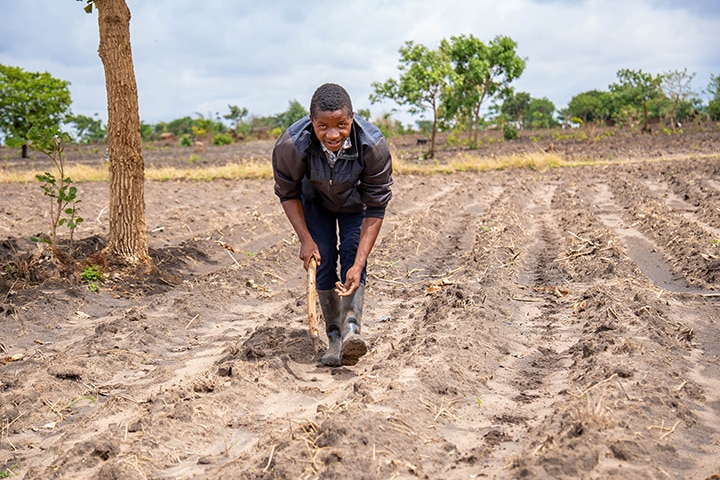
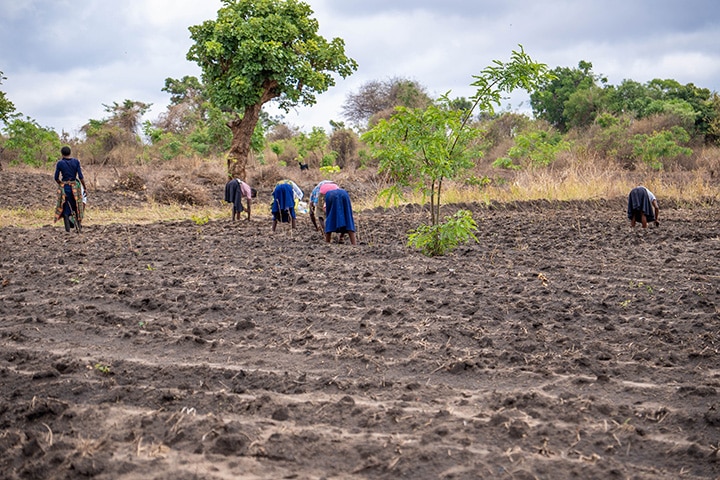
Each irrigation club starts with a simple but powerful idea: farmers who are ready to transform their future come together as a group. These motivated farmers form a club and commit to working collectively to establish an irrigation-based farming system.
The community plays a key role by providing land for cultivation, often located near rivers. This community ownership ensures that the project is rooted locally and supported by traditional leaders and community members.
Many of the irrigation clubs are located near rivers, making irrigation a practical and powerful solution. Instead of letting these natural resources go underutilized, farmers are now using them to grow crops even during dry periods.
This has proven especially important during seasons when rains are poor or end early.
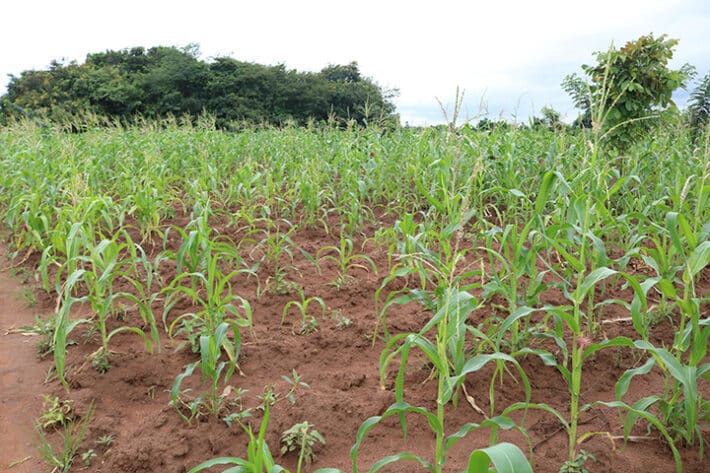
Once the land is secured, the club members jointly decide on the crops they want to grow, based on market demand, food needs, and seasonal opportunities.
Orant’s Role: From Advice to Investment
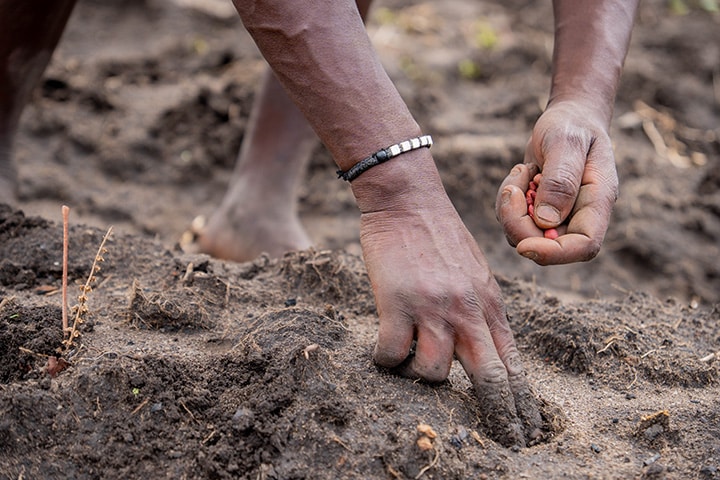
We provide support to the irrigation clubs through a combination of technical guidance and financial support. Orant provides input loans, such as seeds, fertilizer, and other essential farm inputs. These inputs are not grants , they are provided as a revolving loan.
After harvest, farmers sell their produce and repay the value of the inputs. The repaid funds are then reinvested to support the next production cycle, allowing the program to sustainably support more farmers over time.
Growing Impact, Growing Lives
Today, we support 7 irrigation clubs with over 250 farmers actively participating. For many of these farmers, irrigation has been life-changing.
As we continue to expand the Agriculture Program, irrigation clubs remain a key pillar of our strategy to build climate-resilient, market-oriented farming communities.
By combining community land, farmer commitment, technical support, and a revolving input loan model, the irrigation clubs are proving that with the right support, smallholder farmers can transform not only their fields, but their futures.